 Tawari
Learn, in the app
Know what you’re looking at.
Learn holds biomes, to see why each landscape holds the life it does; family and group pages, to see what relatives have in common and how to recognise them; and essays, for the ideas that don’t fit on a species card.
Counted on 13 October 2026.
Biomes · 25
From páramo to mangrove.
-
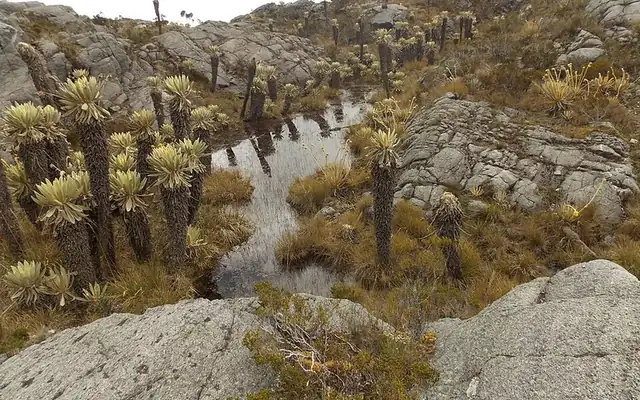
Páramo
Photo: VeRdUgO PY · CC BY-SA 4.0 -
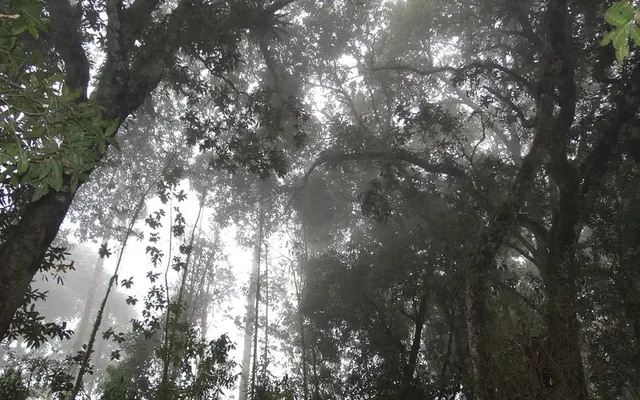
Cloud Forest
Photo: Petruss · CC BY-SA 3.0 -
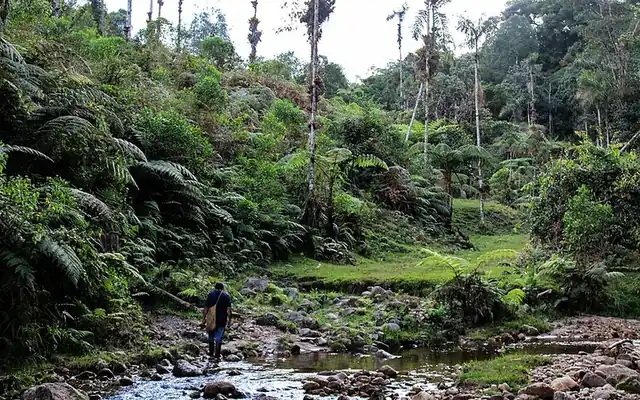
Andean Forest
Photo: Juanpablo.madrid-malo · CC BY-SA 4.0 -
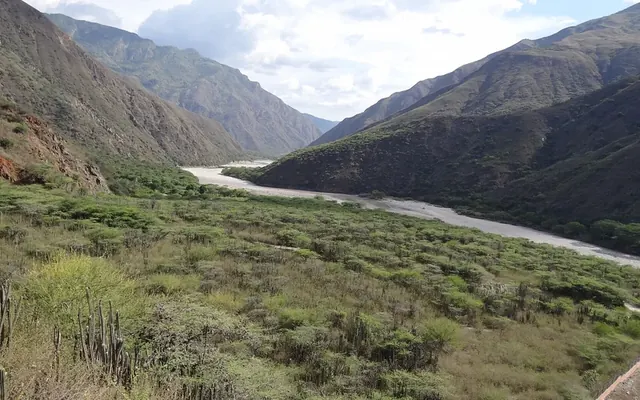
Tropical Dry Forest
Photo: Petruss · CC BY-SA 3.0 -
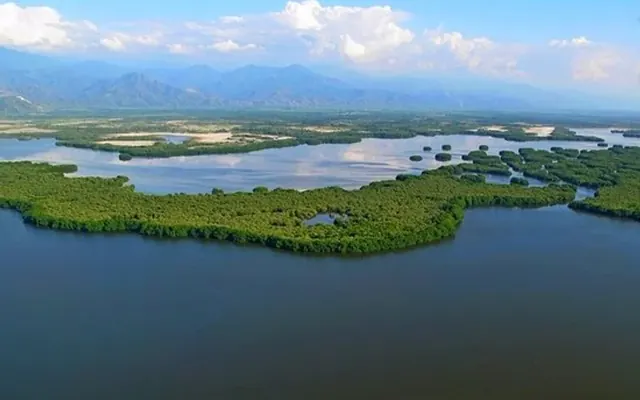
Wetland
Photo: Turntciaga · CC BY-SA 4.0 -

Urban Green Space
Photo: CARITO PABÓN · CC BY-SA 2.0 -
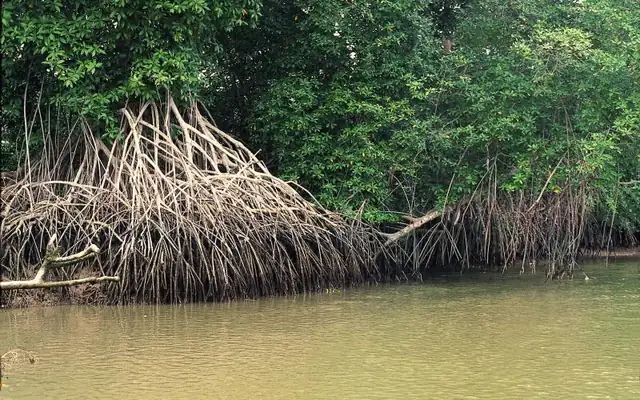
Mangrove
Photo: Diego Tirira · CC BY-SA 2.0 -

Coastal Beach
Photo: Alejandro Bayer Tamayo · CC BY-SA 2.0


And 17 more
- Agricultural Mosaic
- Amazon Lowland Forest
- Caribbean Lowland Forest
- Coral Reef
- Dry Scrubland
- Flooded Forest (Várzea)
- Freshwater Lake & River
- Open Ocean
- Pacific Lowland Forest
- Palm Swamp
- Riparian Forest
- Rocky Shoreline
- Savanna (Llanos)
- Sub-Andean Forest
- Sub-Páramo
- Tropical Grassland
- Tropical Rainforest
Photos from Wikimedia Commons, cropped.
Families and groups · 164
Who’s related to whom.
Plants 59
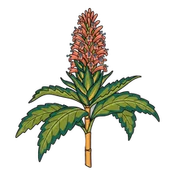 Acanthaceae
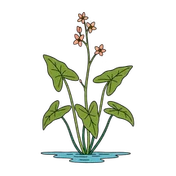 Alismatales
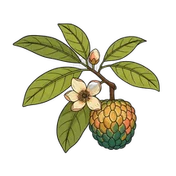 Annonaceae
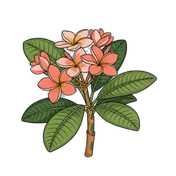 Apocynaceae
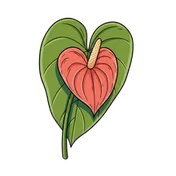 AroidsAraceae
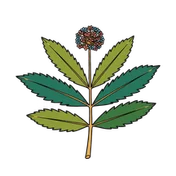 Araliaceae
 PalmsArecaceae
 Asparagales
 Asteraceae
 Asterales
 Bignoniaceae
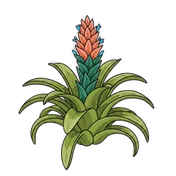 BromeliadsBromeliaceae
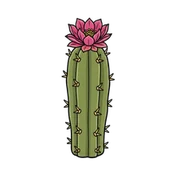 CactiCactaceae
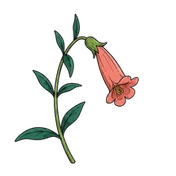 Campanulaceae
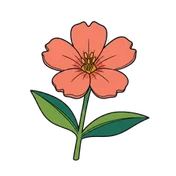 Caryophyllales
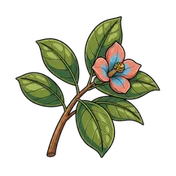 Clusiaceae
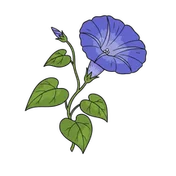 Convolvulaceae
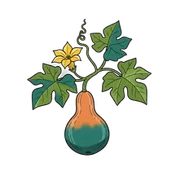 Cucurbitaceae
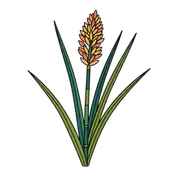 Cyperaceae
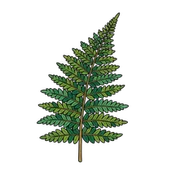 Dryopteridaceae
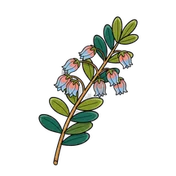 Ericaceae
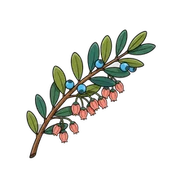 Ericales
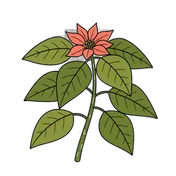 Euphorbiaceae
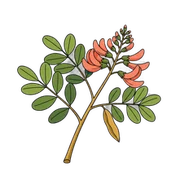 LegumesFabaceae
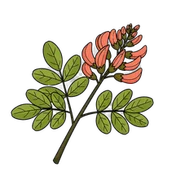 Fabales
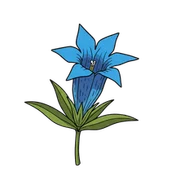 Gentianaceae
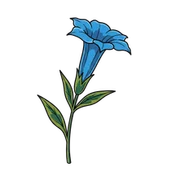 Gentianales
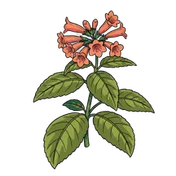 Gesneriaceae
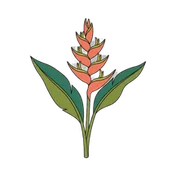 HeliconiasHeliconiaceae
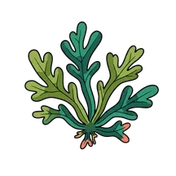 Jungermanniales
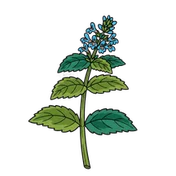 Lamiaceae
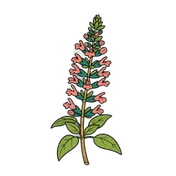 Lamiales
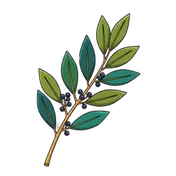 Lauraceae
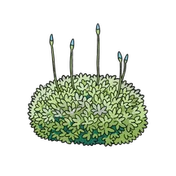 Leucobryaceae
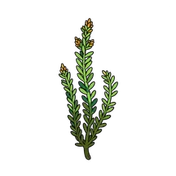 Lycopodiaceae
 Malpighiaceae
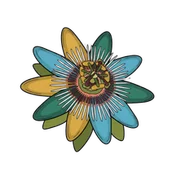 Malpighiales
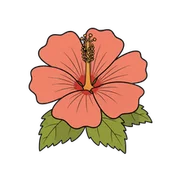 Malvaceae
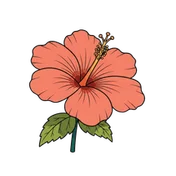 Malvales
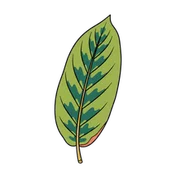 Marantaceae
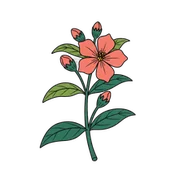 MelastomesMelastomataceae
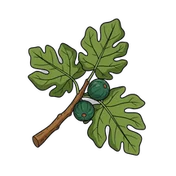 Mulberries and FigsMoraceae
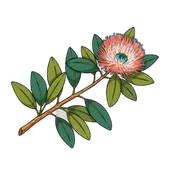 Myrtaceae
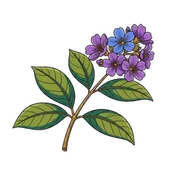 Myrtales
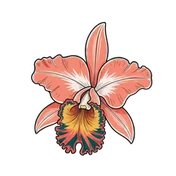 OrchidsOrchidaceae
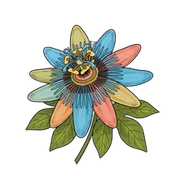 Passifloraceae
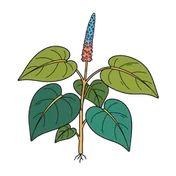 Pepper FamilyPiperaceae
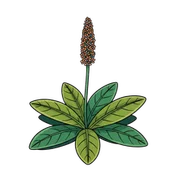 Plantaginaceae
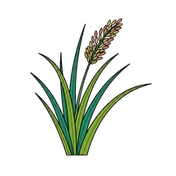 GrassesPoaceae
 Poales
 Polypodiaceae
 Primulaceae
 Rosaceae
 Rosales
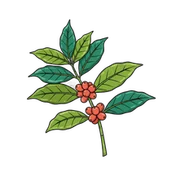 Coffee FamilyRubiaceae
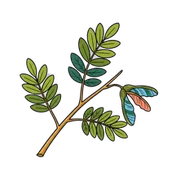 Sapindaceae
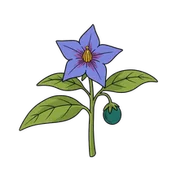 Solanaceae
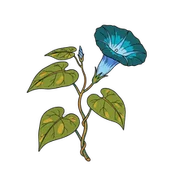 Solanales
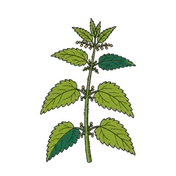 Urticaceae
Birds 35
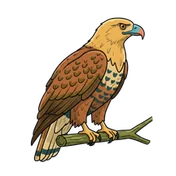 Hawks, Eagles, and KitesAccipitridae
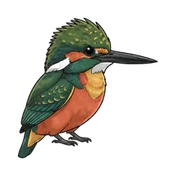 KingfishersAlcedinidae
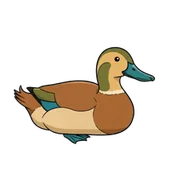 Ducks, Geese, and SwansAnatidae
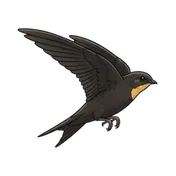 SwiftsApodidae
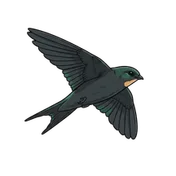 Apodiformes
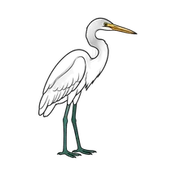 Herons and egretsArdeidae
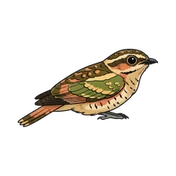 Nightjars and NighthawksCaprimulgidae
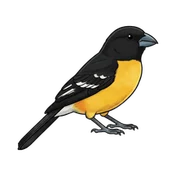 Cardinals and GrosbeaksCardinalidae
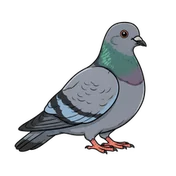 Pigeons and DovesColumbidae
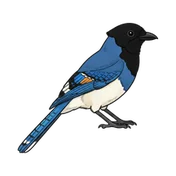 Crows and JaysCorvidae
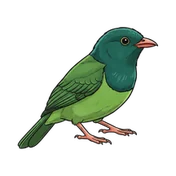 CotingasCotingidae
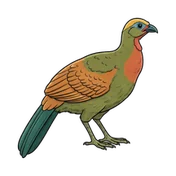 Guans, Curassows, and ChachalacasCracidae
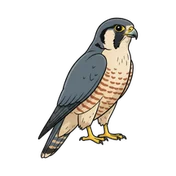 Falcons and CaracarasFalconidae
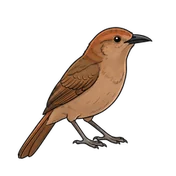 Ovenbirds and WoodcreepersFurnariidae
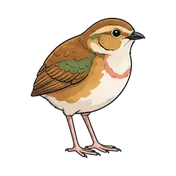 AntpittasGrallariidae
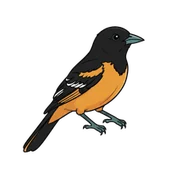 Oropendolas, Orioles, and BlackbirdsIcteridae
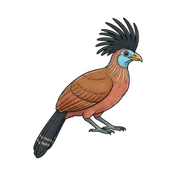 HoatzinOpisthocomidae
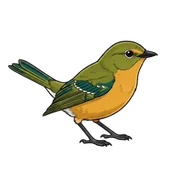 Parulidae
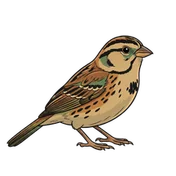 Passerellidae
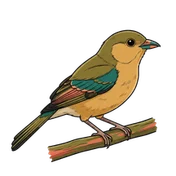 Passeriformes
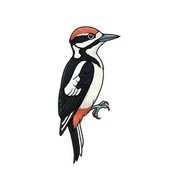 WoodpeckersPicidae
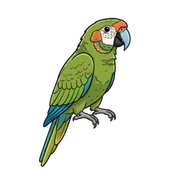 ParrotsPsittacidae
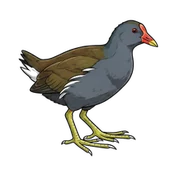 Rails, Crakes, and CootsRallidae
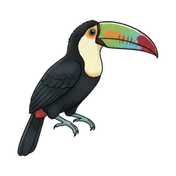 ToucansRamphastidae
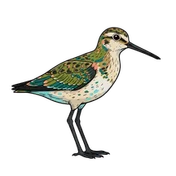 Scolopacidae
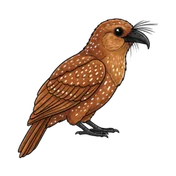 OilbirdSteatornithidae
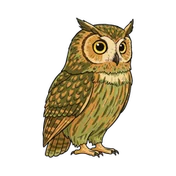 Owls, pygmy-owls and screech-owlsStrigidae
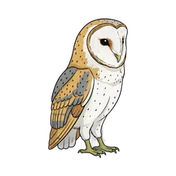 OwlsStrigiformes
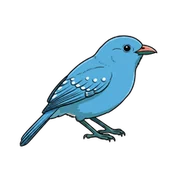 AntbirdsThamnophilidae
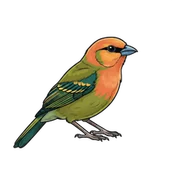 TanagersThraupidae
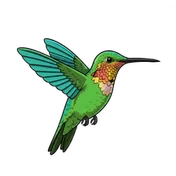 HummingbirdsTrochilidae
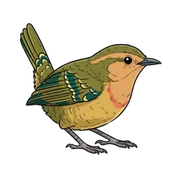 WrensTroglodytidae
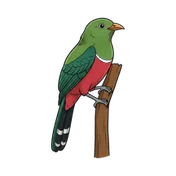 Trogons and QuetzalsTrogonidae
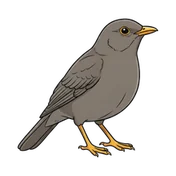 ThrushesTurdidae
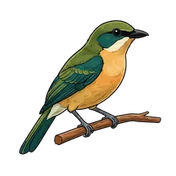 Tyrant FlycatchersTyrannidae
Invertebrates 24
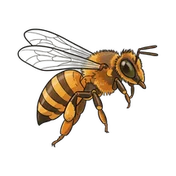 BeesApidae
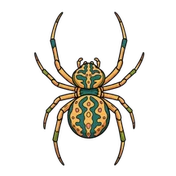 Orb-weaver SpidersAraneidae
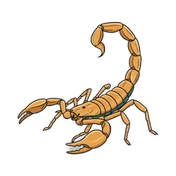 Bark Scorpions and ButhidsButhidae
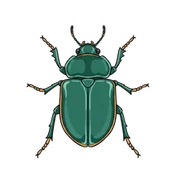 Coleoptera
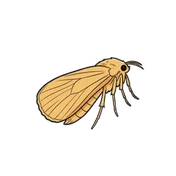 Crambidae
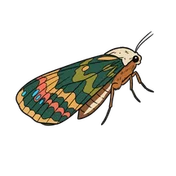 Erebidae
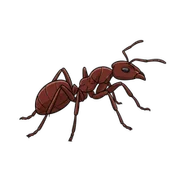 Formicidae
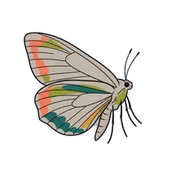 Geometridae
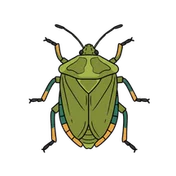 Hemiptera
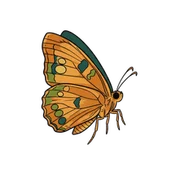 Hesperiidae
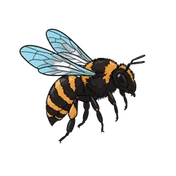 Hymenoptera
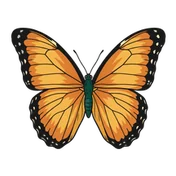 Butterflies and mothsLepidoptera
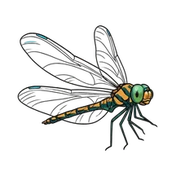 Skimmer DragonfliesLibellulidae
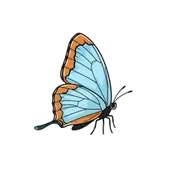 Lycaenidae
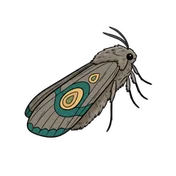 Noctuidae
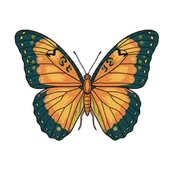 Nymphalidae
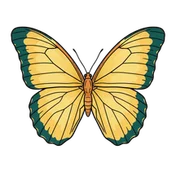 Pieridae
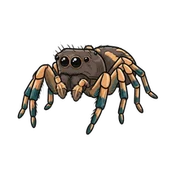 Jumping SpidersSalticidae
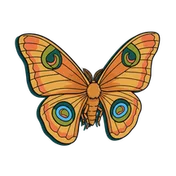 Saturniidae
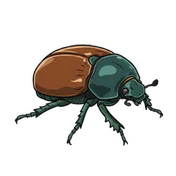 Scarabaeidae
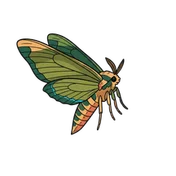 Sphingidae
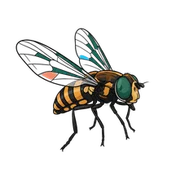 Syrphidae
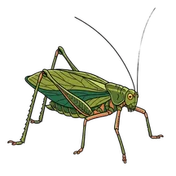 Tettigoniidae
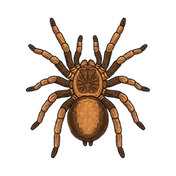 TarantulasTheraphosidae
Reptiles and amphibians 5
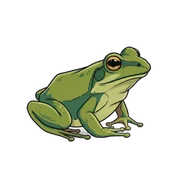 Frogs and toadsAnura
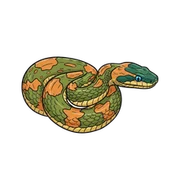 Colubridae
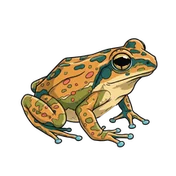 Rain FrogsCraugastoridae
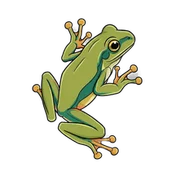 Hylidae
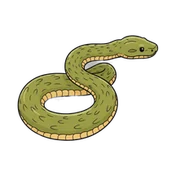 SnakesSerpentes
Mammals 5
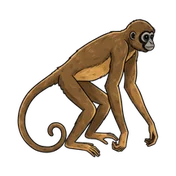 Spider, woolly, and howler monkeysAtelidae
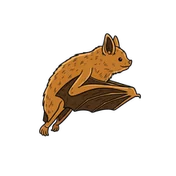 BatsChiroptera
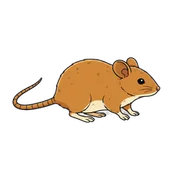 Cricetidae
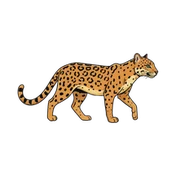 CatsFelidae
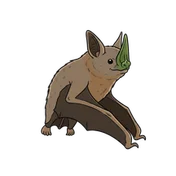 Phyllostomidae
Fish 4
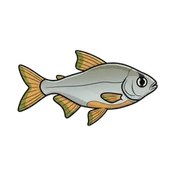 Tetras and CharacinsCharacidae
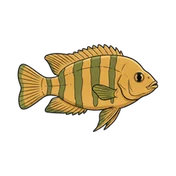 CichlidsCichlidae
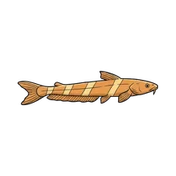 Electric Eels and KnifefishGymnotidae
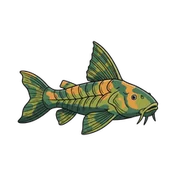 Armored CatfishLoricariidae
Fungi 32
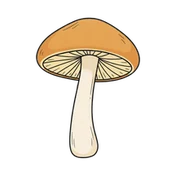 MushroomsAgaricales
 Tapinellaceae
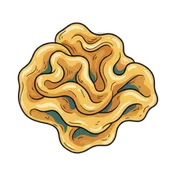 Auriculariaceae
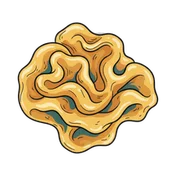 Dacrymycetaceae
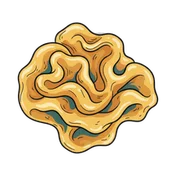 Naemateliaceae
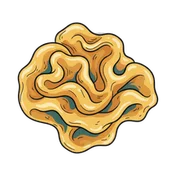 Tremellaceae
 Auriscalpiaceae
 Clavariaceae
 Pterulaceae
 Xylariaceae
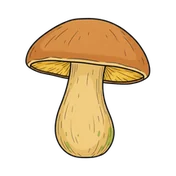 BoletesBoletales
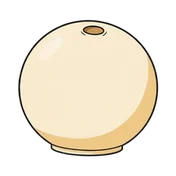 Calostomataceae
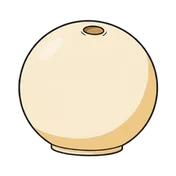 Geastraceae
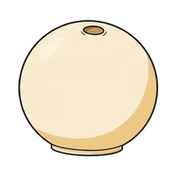 Lycoperdaceae
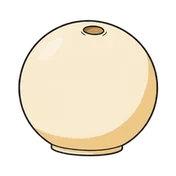 Rhizopogonaceae
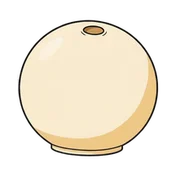 Sclerodermataceae
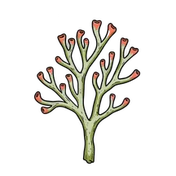 Cladoniaceae
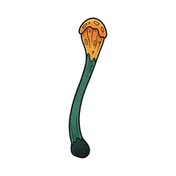 Cordycipitaceae
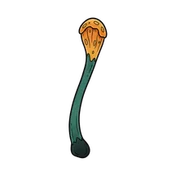 Ophiocordycipitaceae
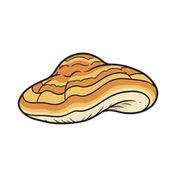 Hymenochaetaceae
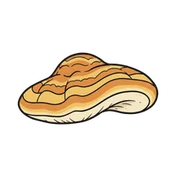 Bracket FungiPolyporales
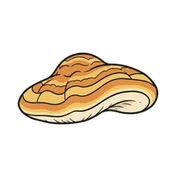 Stereaceae
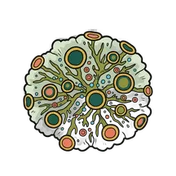 Lecanorales
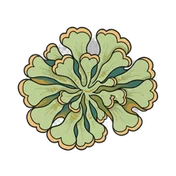 Lichens
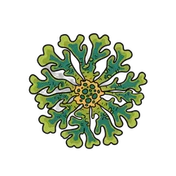 Parmeliaceae
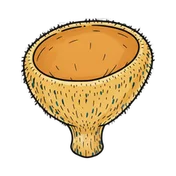 Pezizaceae
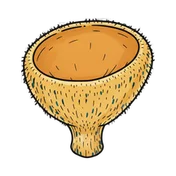 Pyronemataceae
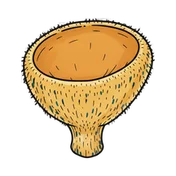 Sarcoscyphaceae
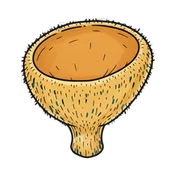 Sarcosomataceae
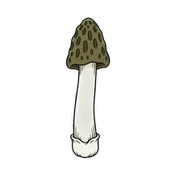 Phallaceae
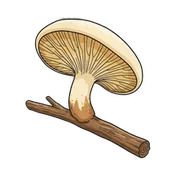 PolyporesPolyporaceae
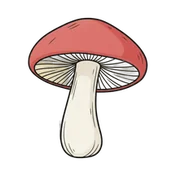 Brittlegills and Milk-capsRussulales
Among the fungi, families of a similar shape share a drawing.
Illustrations: Tawari.
Essays · 17
For a slower read.
Conservation · 8 min
Corridor thinking: why isolated reserves aren't enough
Conservation · 7 min
Endemic, native, introduced: a vocabulary card
Conservation · 8 min
The spectacled bear: a mostly-vegetarian giant in the Andean clouds
Conservation · 7 min
What a protected area actually protects
Conservation · 6 min
What the Red List actually measures
Conservation · 7 min
Why species go extinct
Identification · 6 min
Bird identification 101: how to see what you're looking at
Identification · 9 min
Fungi identification 101: why a spore print is more reliable than any photograph
Identification · 9 min
Reptile and amphibian identification 101: shape, substrate, and sound
Identification · 6 min
The morning mixed-flock: why fifteen bird species suddenly arrive together
Concepts · 7 min
How species get their names
Concepts · 7 min
Mushrooms, fungi, and the wood-wide web: a vocabulary you can actually use
Concepts · 7 min
What endemic actually means
Regions · 7 min
Coffee and forest: the only crop that loves shade
Regions · 7 min
How seasons work in the tropics: why Colombia has no winter, but plenty of weather
Culture · 6 min
Cilantro and coriander: one plant, two cuisines, a soap controversy
Taxonomy · 8 min
Why Colombia has no apes
Waitlist
All of this is in the app.
We’ll write to you once, when your beta invitation is ready.