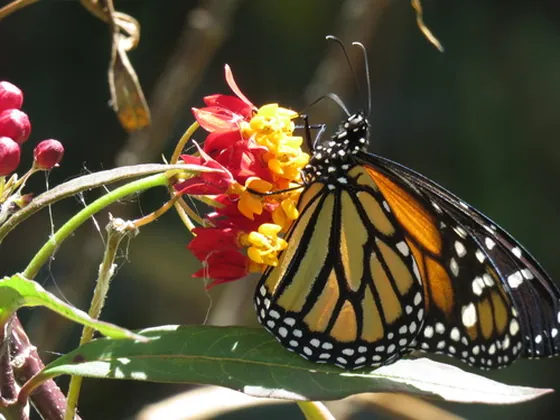
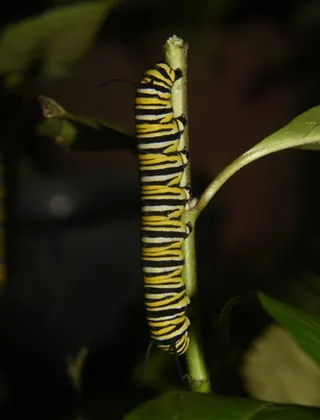
Monarch
Danaus plexippus
 Tawari
That ant, that tree, and that little bird are your neighbours. Tawari tells you who they are, and who they live with.
Go beyond naming species. Identify what you observe on the trail, explore protected parks and reserves via Field-finds, keep your personal field record, and understand the ecological web that connects every living organism.
The Field-finds
Discover protected areas on the interactive map and explore trails via curated Field-find checklists. A Field-find is the list of who lives in one place. It is not a score, and you don't have to finish it. Here are three of the 25:
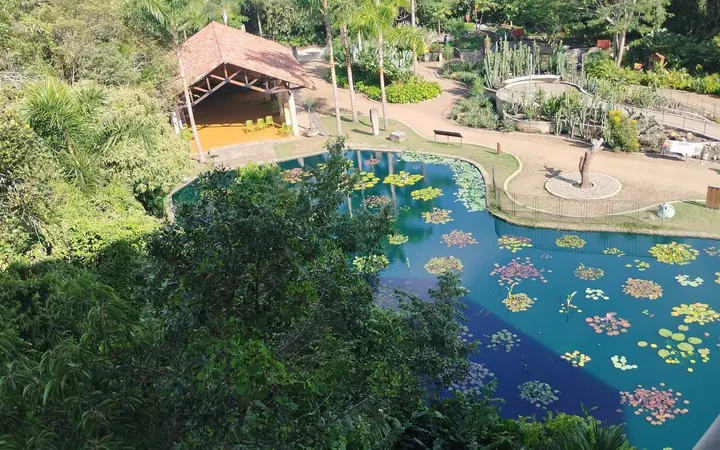 87 species
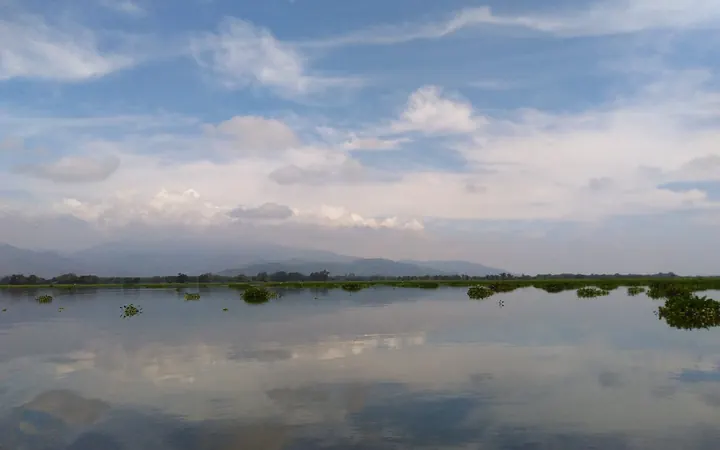 55 species
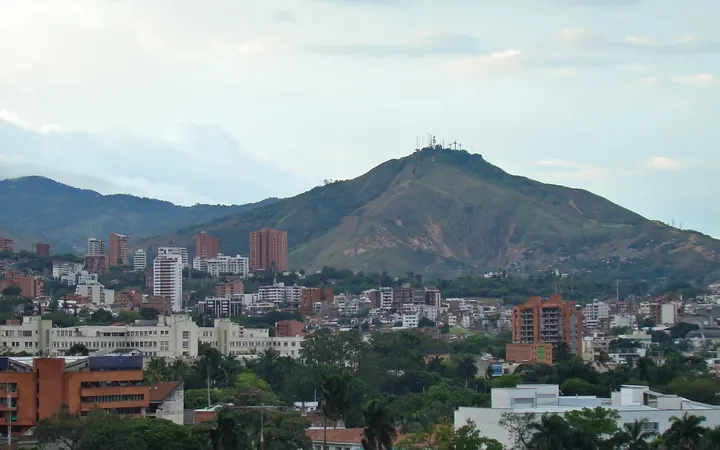 80 species
From Los Flamencos Sanctuary in La Guajira to La Cocha Lake in Nariño.
Photos: Mfrancoavellaneda (CC0, Wikimedia Commons) · Estefani Sandoval (CC BY-SA 4.0, Wikimedia Commons) · David (CC BY 2.0, Wikimedia Commons). Cropped.
The ecological spine
Most field guides stop at a name. Tawari places each organism within its living ecosystem through three essential ecological relationships, wherever a reviewed source backs them.
What it eats, consumes, or pollinates to sustain itself in its habitat.
Which species depend on it for food, and how its energy returns to the soil.
The biome, host, or substrate where it lives in Colombia.
This is how it looks on the monarch's card:
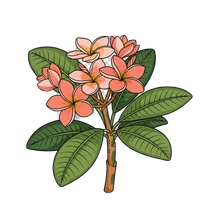
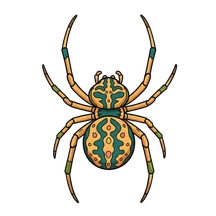
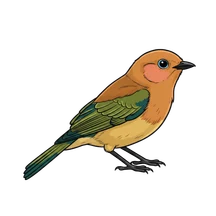
Three of the seven relationships on its card, from GloBI. Photos: Juan Carlos Caicedo Hernández and Sebastian Serna Muñoz (CC BY 4.0, iNaturalist, iNaturalist), cropped. Drawings: Tawari.
The app
Can't find what you saw? Log it anyway, with a photo or a description, and the team will try to identify it.
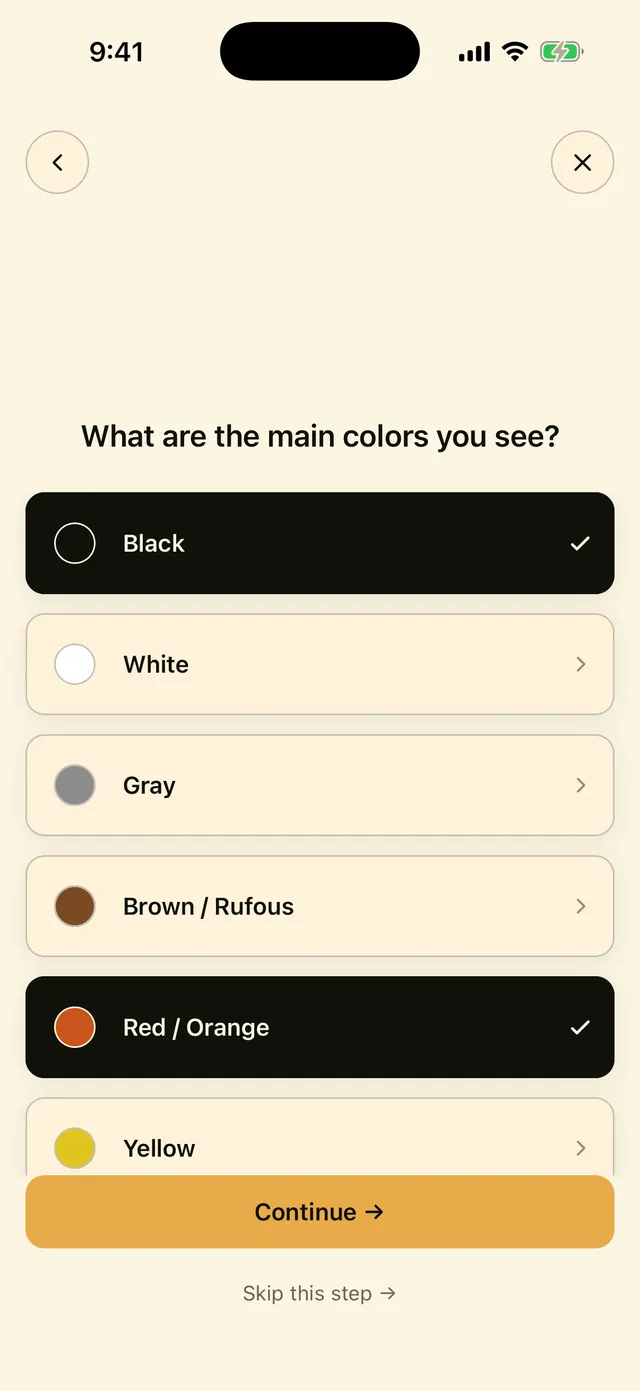
Your personal record
Every sighting tells a story in the field. Tawari organises your finds in your personal list, ready to check whenever you are on the trail.
Your photo and field notes. Open any sighting in My List to add your photo or edit notes on its behaviour and the place you saw it.
Soon You will be able to share your pages with family and friends.
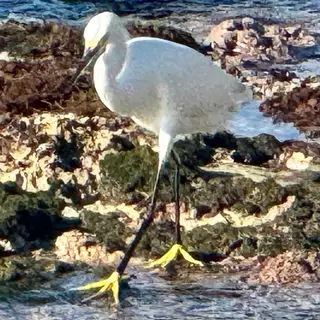
On the north shore, fishing among the stones. Black legs, yellow feet.
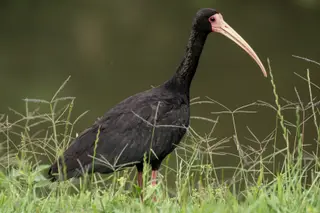
Probing the mud with that curved bill.
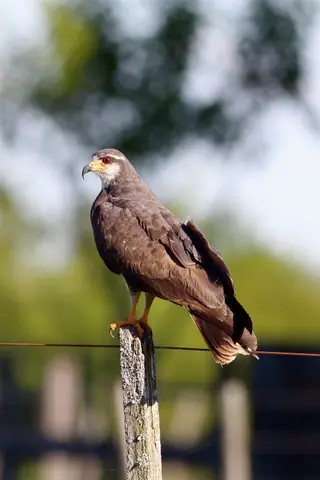
Perched on a post, watching the water.
No filler
For many species almost nothing is published. There the card tells only what is known, and invites you to add to it: with your sightings, or by sharing them on iNaturalist.
Named knowledge
Every written card cites its sources. We would rather name a people and a place than speak of "indigenous people" in general. And no card gives recipes or medical advice.
The road ahead
Tawari starts in Colombia and grows with its community. Here's the road ahead.
Where the data comes from
Colombian sources first, always openly licensed and credited.
Waitlist
We'll let you know when access opens. No spam: just one note when it matters.
Collaborate
An institution, birding club, botanical garden, or university interested in collaborating? Or would you like a Field-find for your place? Get in touch at hello@tawari.id.


